

Introduction
In 2026, AI technology is profoundly reshaping the productivity foundation of the education industry.
On the one hand, cutting-edge AI large models make content creation unprecedentedly efficient; but on the other hand, many teachers, trainers, and knowledge creators with profound professional backgrounds are still trapped in the capacity bottleneck of "one person cannot make a good course". The market does not lack scattered AI tool tutorials. What is truly lacking is how to deeply integrate AI into a complete and implementable educational R&D workflow.
Drawing on their experience in K12 education, MBA courses and corporate AI training, Peng Jun and the GIAI think tank team developed and released the OPE (One Person Education) teaching and research model.
Core Concept: From "Tool User" to "Methodology Owner"
The OPE model starts from a simple idea: one person + AI tools = one school.
AI tools will continue to change, while educational understanding and methodology remain central. OPE is intended as more than a tool manual: it is a system for helping educators and learners bridge technical gaps and move from using AI tools to owning a method for AI-supported education.
Four Application Scenarios build the "Panoramic Education Ecosystem"
Based on years of front-line teaching feedback and product polishing, the GIAI team has extended the OPE model into four major application scenarios, building a symbiotic and prosperous "panoramic education ecosystem":
1. Independent educator engine (OPA: One Person Academy)
For teachers, trainers and content creators who want to develop an independent educational practice or personal teaching brand.
The model addresses the lack of a supporting curriculum team. An OPE workflow helps independent teachers work through course positioning, outline design, lesson scripts and teaching materials, increasing the scope of what one person can develop.
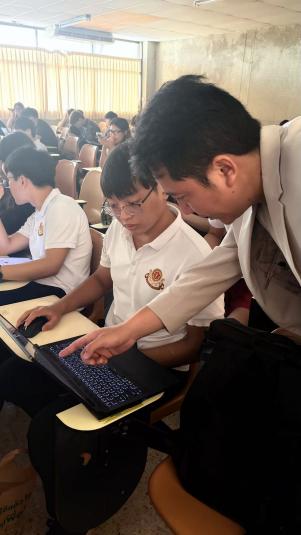
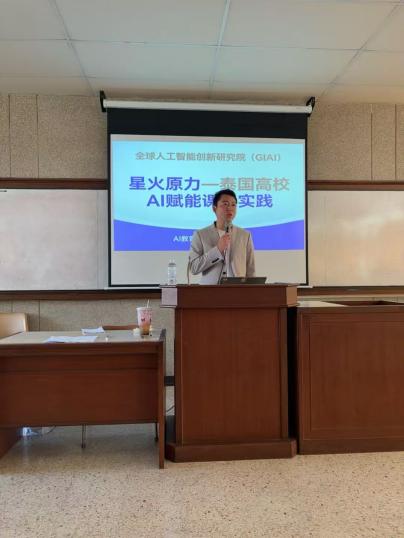
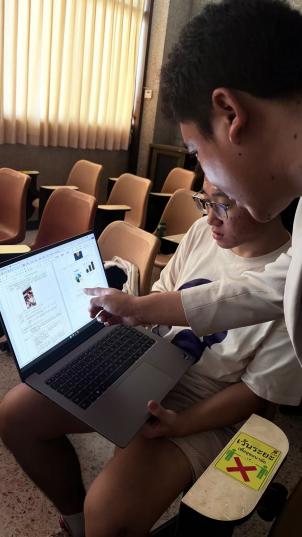
2. Future creators in K12 education (OPE-Spark)
For curious school-age students and parents interested in their children's future capabilities.
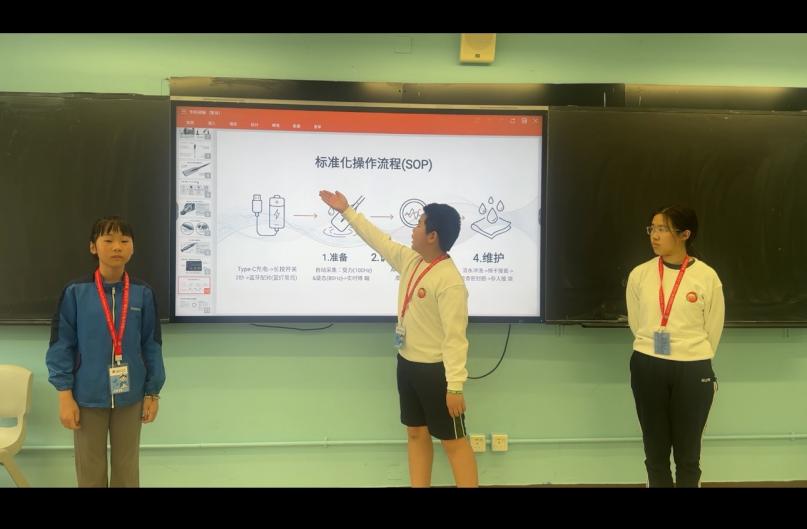
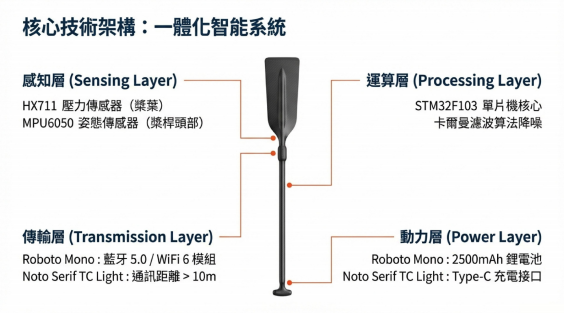
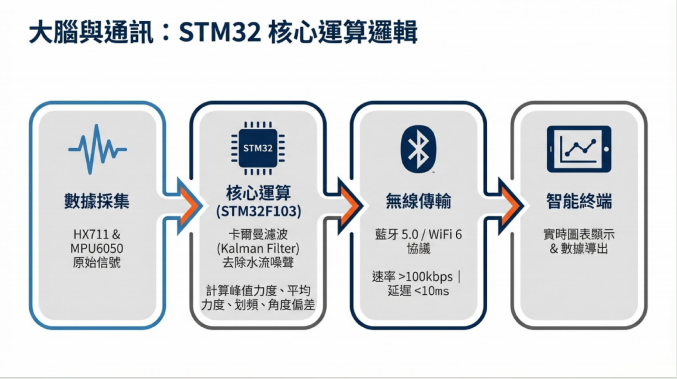
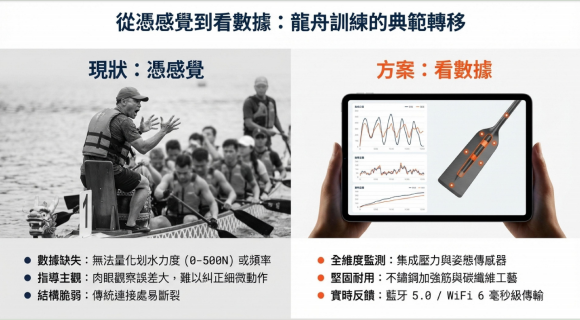
With AI mentoring and project-based learning, students are encouraged to develop original picture books, science fiction or research reports. The approach aims to move beyond passive exercises and help young people develop creative capabilities for the AI era.
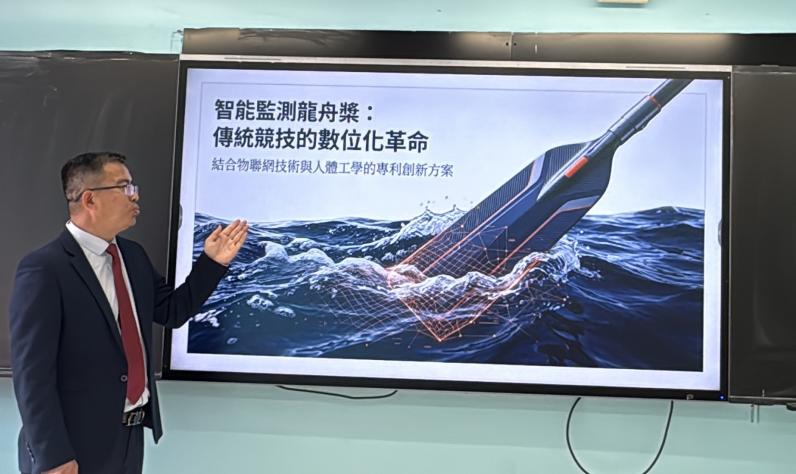
3. Academic research accelerator (OPR: One Person Research)
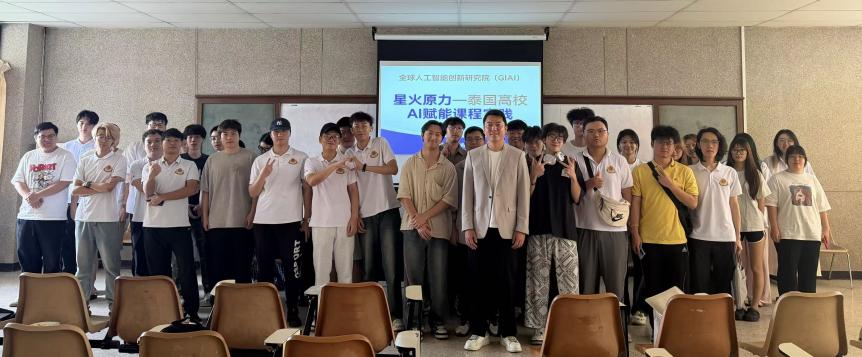
For university researchers and postgraduate students facing demanding research workloads.
AI-supported standard operating procedures help with literature searches, data analysis and review writing, aiming to reduce routine work and leave more time for substantive research and thinking.
4. Family education hub (OPE-Hub)
For parents of school-age children who want to improve family learning and parent-child relationships.
A structured approach to AI-assisted tutoring helps parents assess children's learning and provide better support, with AI serving as an additional teaching assistant at home.
GIAI's Vision: Co-building an open OPE pioneer circle
OPE is both an educational methodology shared with others and a way of working practiced within the GIAI team.
GIAI invites educators, university researchers and K12 education organizations to take part in its OPE practitioner community and workshops, contributing experience to the further development of the model.
The invitation is to explore an era of One Person Education, using new productive tools in the service of education.