

Global Institute for AI Innovation (GIAI)
The Global Institute for AI Innovation (GIAI) has been researching the intersection of artificial intelligence, education, music technology and traditional culture. AI music teaching, research and applications are among its priorities for the next stage. Led by Gao Zishan, director of the Music and Technology Center, its AI heritage music research is expanding from organizing traditional music materials into data, intelligent tools and international communication.
With a master's background in the arts, Gao has worked in singing, piano, music education and arts research, participating in the documentation and contemporary interpretation of intangible cultural heritage music and cross-cultural exchange. He also contributes to projects in AI music technology, digital arts education and intelligent instruments. Building on this experience, he is organizing folk songs, traditional instruments and related cultural materials toward an expandable heritage music sound database.
The database is intended to do more than preserve recordings. Subject to clear rights and permissions, each entry would document the original audio, piece title, region, instrument, singing or performance style, rhythmic and melodic features, and cultural context. AI-assisted feature extraction, instrument recognition and melody and rhythm analysis could make these resources searchable, comparable and useful for teaching and research. Future work will explore multilingual cultural notes, AI-assisted learning and creative tools based on authorized materials, helping overseas audiences understand, learn from and reinterpret Chinese traditional music.
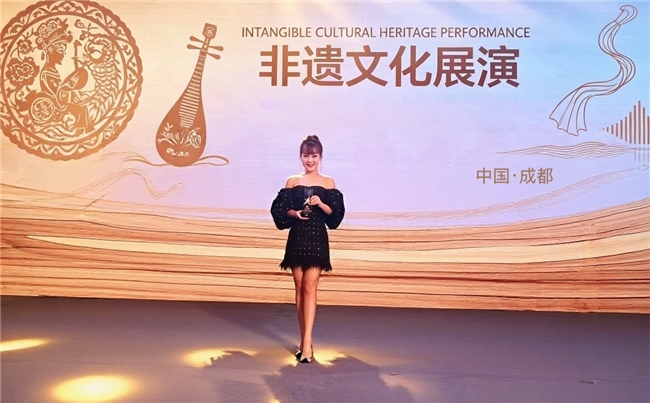
The research plans to use Hong Kong as a connection between mainland heritage resources and international cultural exchange. Over time, it aims to support digital music education and cultural communication for overseas Chinese communities and young people in Australia, Europe and elsewhere, while building foundational data and applications for future AI music software, courses and research.
GIAI notes that the value of AI music extends beyond generating music. Heritage preservation and international communication sit alongside opportunities in music education, sound-data research, intelligent instruments, digital art, human-machine collaboration and youth innovation. The institute will continue researching AI music teaching and technological innovation to explore new possibilities for sharing and developing Chinese musical culture.